
 Site Explorer
 Keyword tool
 Google Algorithm Changes


Important Update!
We released the automatic unnatural link classification tool to help you in your unnatural link recovery, after this post was published.
We recommend you check it for unnatural link analysis!
With the latest chit chat that Google is going to release the next version of Google Penguin soon, I think it is a good time to remember how you can easily detect unnatural links in your sites’ profile.
This detection technique can to be used for any site, even if it did not receive a penalty or unnatural link warning. It is a good technique that you can use to understand and manage the risk that you might be exposed to when the next unnatural link update comes.
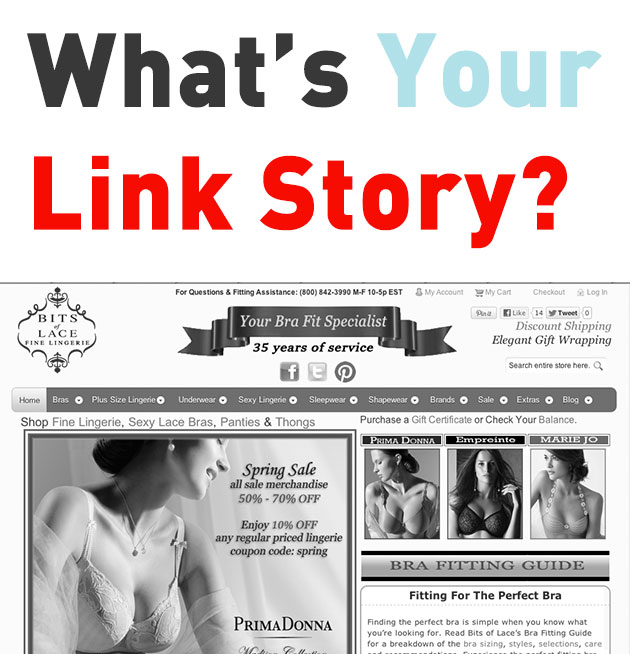
Lovely site BitsofLace – Unfortunately Bad Linking Used …
This case study presents the story of a penalized site and how an unnatural links detection process should be approached. (mention – the site was brought to our attention by one of our customers asking for help in segmenting the unnatural links pointing to this site)
The site is operating in the “Lingerie” niche (BitsofLace.com) and has received several unnatural link warnings in the past. Their rankings have dropped significantly because of the unnatural links that were built in the past by several agencies or individual SEOs.
Let’s start with the conclusion so you can quickly understand what was wrong with the links of this site.
To put it simple, this site lost rankings because of an often seen, boring and un-creative link building strategy that combines a deadly mix of:
- Paid blog posts
- Web Directory links
- Forum & Article Directory links
So how did I find all this out? Here is the entire process described. You can apply it to any site.
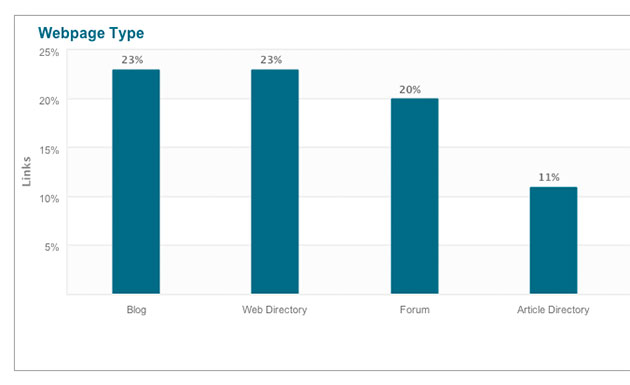
I started with a full link profile analysis. Looking for big distributions of links I notice the following:
- A high density of blog, article directory and web directory links
- A high number of commercial anchor texts versus brand related.
These signals guide me to look further at the webpage type distribution.
1. The story of the Paid Blog Links
Blog links are not unnatural usually, neither web directory or article directory links (or any other type of link … just to clear this out) … but it all comes to the distribution, volume and how they were acquired.
I check the deeper profile of these blog links.
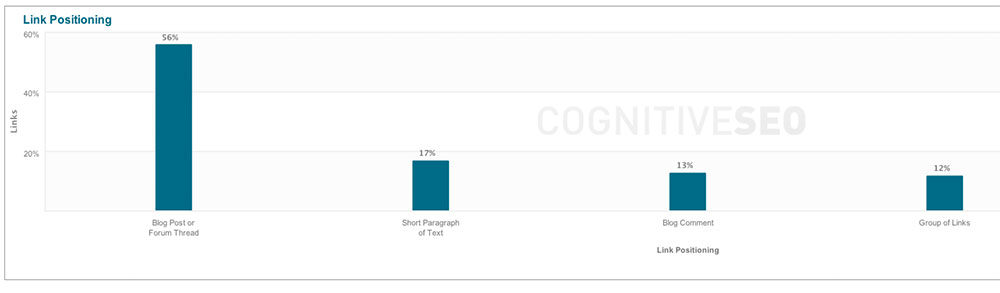
We have them split in:
- Blog Post links
- Blog Comment Links
- Blogrolls and similar link types
Let’s dig deeper. The majority of the links are coming from blog posts. This could be a natural thing. Content Marketing, customers writing about the service etc.
This isn’t the case unfortunately.
The first unnatural links signal is the low quality of the linking pages.
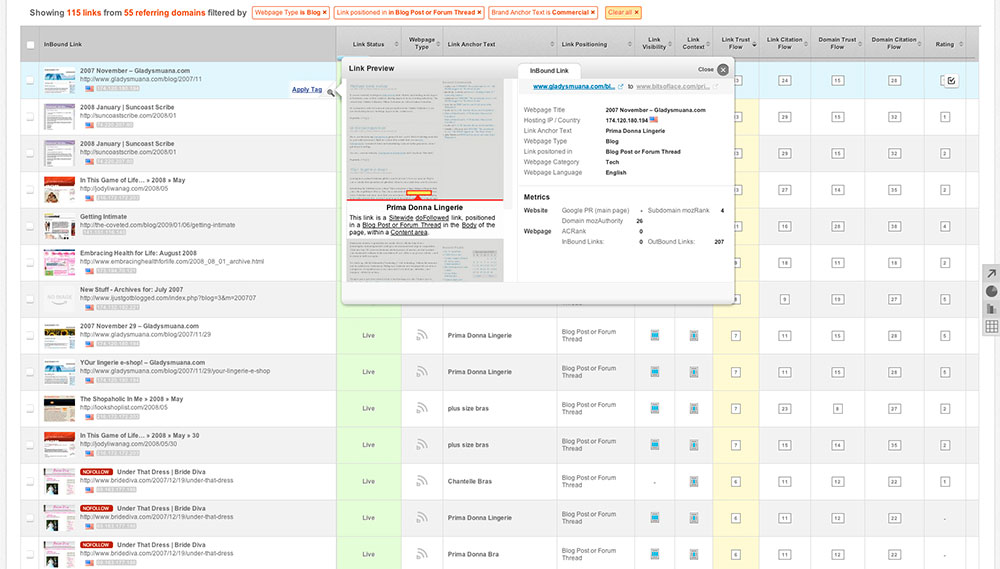
If I order by link quality, the most important link looks like a paid blog post. Natural links (expos, trade shows, real reviews etc) are also found but these are a tiny fraction (max 1%).
I should have looked at the commercial anchor text distribution for the blog links segment first of all.
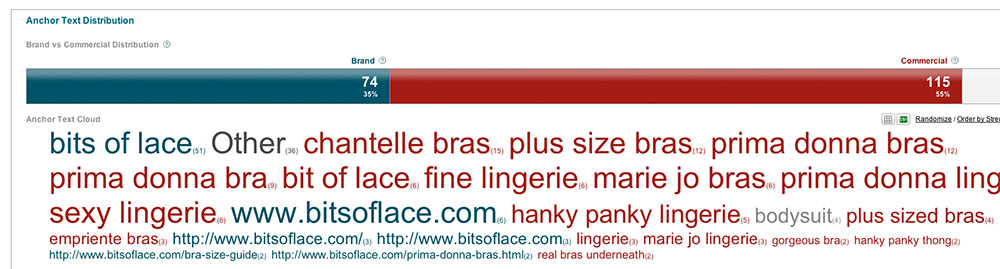
A 55% commercial anchor text ratio is totally unnatural for sure.
I am looking at another 3-4 links and I can profile them all based on the similar footprint.
Here are some screenshots so that you can get the idea.
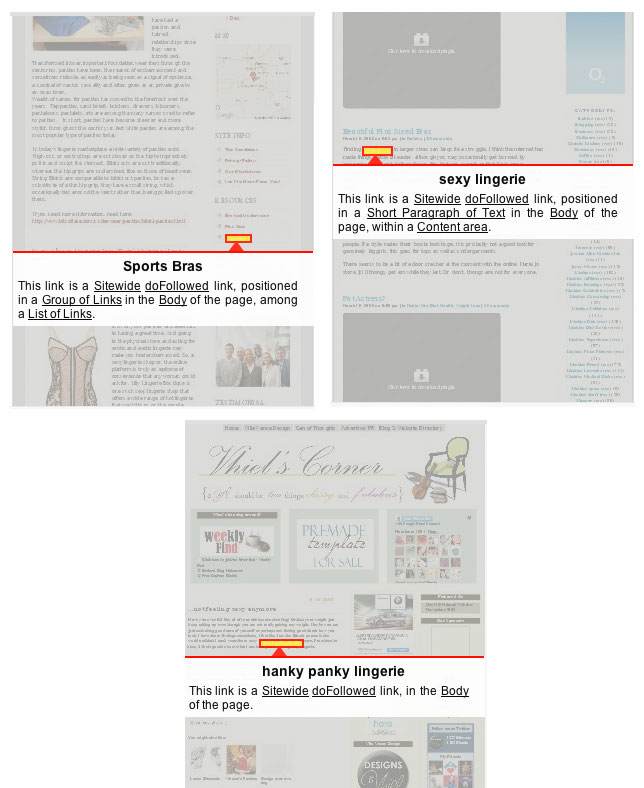
Content written around commercial anchor text posted on these blogs. All of these blog post links are unnatural from Google’s point of view. They were built with the sole purpose of influencing Google’s rankings. They do not provide any value to the user!
The same can be said about the other links coming from blogrolls and blog comments.
~21% Unnatural Links Detected on Blogs.
2. The story of the “old and dirty” Web Directory linking technique.
How natural can Web Directory links be you should ask yourself? Last year Google even started de-indexing directories.
Let’s be frank for a moment, you put those links there with the sole purpose of increasing your rankings.
Rarely we see high quality web directories sending real traffic to your site via the link posted there.
With such a high distribution of 23% links coming from web directories I should mark all as unnatural without even looking at them. But let’s be accurate and methodical and make an informed decision.
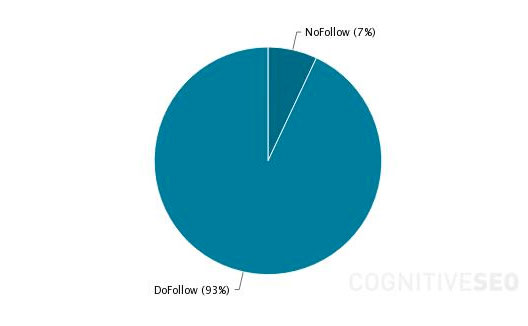
Having such a high percentage of 93% links DoFollowed, highlights the intention of the people that “optimized” this link profile to have the site rank higher with Web Directory links.
I tried inspecting these links in various forms so that I could find a quality link from a web directory.
I couldn’t!
I checked the most powerful links ordered by Domain Trustworthiness and Link Trustworthiness. All the top links are low quality web directories (from the user’s experience point of view) by any metric you choose to filter.
Here’s a quick preview on some of these low quality unnatural web directory links.
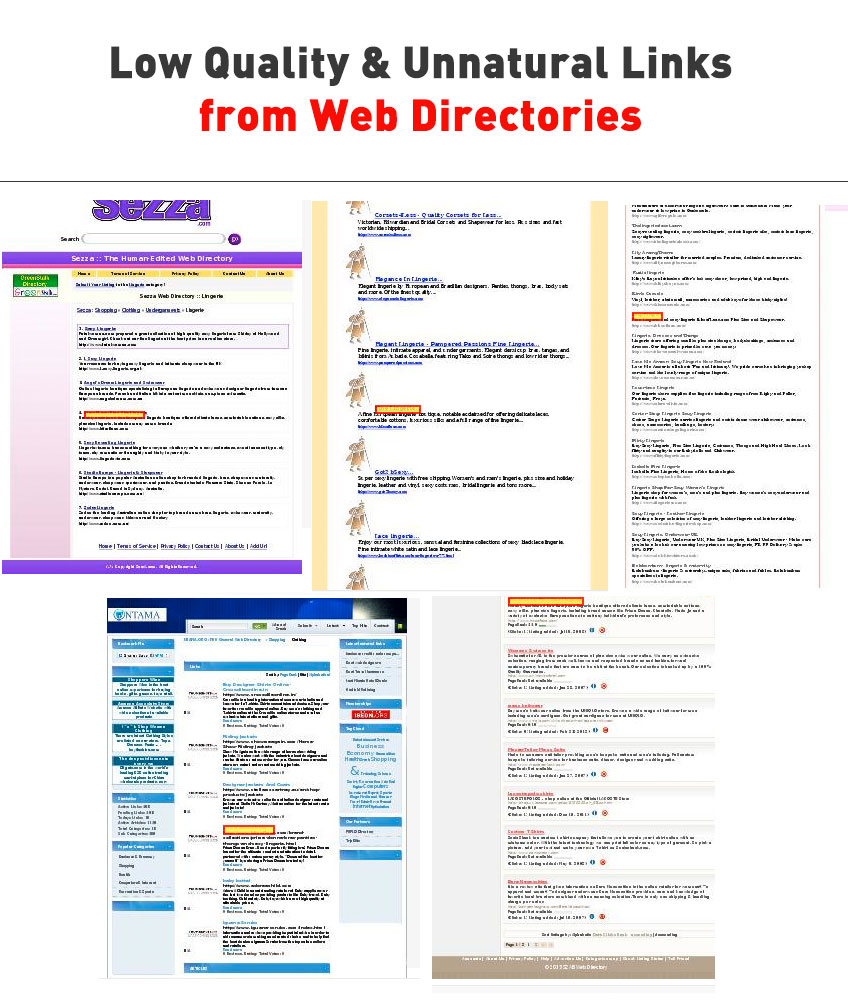
~23% Unnatural Links Detected on Web Directories.
3. The story of the Forum “Personas”
Normally you get people talking in forums about your product. They might be mentioning your brand, talking about your service etc. When you have a high distribution of forum domains sending links to your site we can only have two options:
- The site is a “super super” successful brand.
- The site is promoted by a “super” proactive forum spammer.
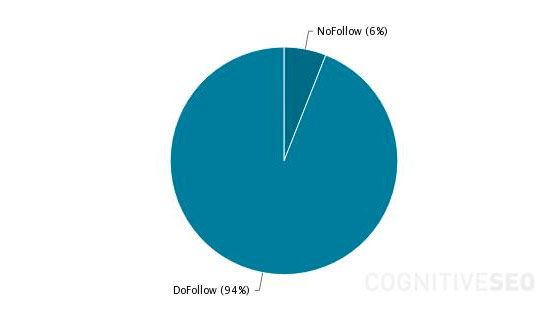
Again we have a lot of DoFollow links. Raises a red flag!
In the forum links segment I searched for the word “profile” in the title or link and this is what we got as a visual link profile.

Why I searched for the word “profile” you might ask?
Because this represents the fingerprint for forum profile pages or “personas” as some SEOs call them.
Fake Forum profiles created with the sole purpose of generating unnatural links to the promoted site.

We do have some natural links generated by real people on the forums but these are like 10% out of the entire dataset. The rest are “personas” generating links both on profile pages and inside forum discussions.
~17% Unnatural Links Detected on Forums.
4. Article Directory Thin Content can Sink your site.
As a link building strategy this is an old one, that once worked and now it doesn’t anymore. As with any other link building strategy, the more it is abused by SEOs worldwide, the less it is going to work on a long term, as it is something that is generated unnaturally with the purpose of influencing the search engine’s rankings.
Here is the type of thin content linking in with commercial anchor text that was used for this site.

Natural Link?
Not at all!
Human generated content posted on a mass scale on 95 article directories. Variation of the anchor text and content is found on all of these sites. The problem is that Google can fingerprint this as it has a big proportion of the link profile and it raises a red flag for Google to check.
~11% Unnatural Links Detected on Article Directories.
Let’s recap:
- ~21% Unnatural Links Detected on Blogs.
- ~23% Unnatural Links Detected on Web Directories.
- ~17% Unnatural Links Detected on Forums.
- ~11% Unnatural Links Detected on Article Directories.
Total 72% Unnatural Links Detected
And this is not all!
We can go even deeper and check the other type of pages, and I am sure we will find more unnatural links. I just wanted to showcase how easy it is to spot these unnatural links by segmenting the links by webpage type.
The website type segmentation gives you the macro view on the link building strategies used.
The analysis was done in 5 minutes + 10 minutes to have the cognitiveSEO system crawl and analyze the entire dataset of links so that we have fresh data on the links analyzed. It took me 5 hours to finalize this article though :). I hope you will enjoy it!
Here are some other articles that are of great help when it comes to identifying unnatural and low quality links:
- Identify Low Quality Links [how to]
- Surfacing Unnatural Links > Why You’re Doing it Wrong [how to]
- Backlinks Analysis Case Study
- Google Penguin Case Study
- Google Penguin Crashes Wedding Site’s Shady Link Building Strategy [case study]
What do you think about the unnatural link building strategy used by this site?
What other methods do you apply to segment unnatural links?






Great article Razvan! And to think it only took you 5+ minutes to diagnose their backlink profile…just goes to show what an amazing tool can do in the hands of a pro…I describe here: http://www.neftisconsulting.com/how-to-prepare-for-the-penguin-update-in-10-easy-steps/ some of the other methods I apply in order to segment out unnatural links.
powerfull yet easy to use I might add 🙂 just a short learning curve of about 2-3 hours I would say.(including watching the videos on site)
tks for your mention in the article also 😉
Awesome analysis Razvan. I’m seeing this across the board with so many sites, no wonder it’s easy for Google to hit them with penalties.
Going forward the marketers that can think outside the box will be the only ones succeeding.
unnatural links are easy to spot with the correct tool. no actual need to use too much metrics. just search for the unnatural fingerprint patterns.
so easy to spot in cognitive. just need to know a bit of SEO and understand what the word “natural” actually means
“nat·u·ral
Adjective
Existing in or caused by nature; not made or caused by humankind.”
definition by Google 🙂
Hello Razvan. Reading your article has made me stop and think about the advice that I give my clients. Recently I have been encouraging them to engage with blogs and forums to build their ‘expert status’ in their area of business and also, when relevant to add quality comments to blogs and engage in forums to help others. Now I am wondering if focusing on this might be detrimental to their SEO efforts. What do you think?
It’s very hard for small businesses (and I really do mean very small) to devote time and money to an SEO campaign that brings results and effectively run their business too.
HI Brian,
Comments are a bad idea if you use them in a big proportion of your link profile. Comments, in my opinion should be just a few and should not be used with commercial anchor text. ( for a sustatainable link building strategy)
Forums can be in a higher number if you use them in a natural way without “throwing” too much commercial anochor text to your site and you should not use personas to do this. As you saw they are easy to spot.
I know how hard it is fro SMBs to do SEO and that is why i recommend online engagement through content marketing and good pieces of expert content writtne either on their blog or other sites.
Thanks
A great article what tool did you use in order to see this split data?
Thanks
all done with the cognitiveSEO toolset
Very good case study. We used CognitiveSEO for doing such analysis on our competition.
We found it an excellent tool to plan SEO techniques vs the competition.
However we did find it odd where there were sites that had 90% of their backlinks from directories, but they still managed to make first page. So I suppose there are exceptions.
if you as a human find it unnatural be sure Google will to in the near future. It is all about patterns for a software algortihm. if it is out of the ordinary it can mark it as unnatural.
Do you as a human find a proportion of 90% directory links natural ? I doubt it.
There are a lof of “bugs” still in the Goolge Ranking, but if you aim for long term rankings try to be as natural as possible. You should watch this recording from Matt Cutss on the Penguin 2.0 as they call it. http://youtu.be/xQmQeKU25zg
Raz this was a great article.
I was thinking about closing my account with cognitive until 1. I saw the great updates today 2. dug into your blog and found some great articles. Our two companies are around the same age.. we’re about to have our 1st year celebrations – it’s been great seeing the constant improvements – i’ll be sticking around for a good while.
PS any chance of the discount you guys are giving to Majestic readers 🙂 haha
hi Adam,
glad you like the new updates and the blogs’ articles.
as you might have seen, we try to stay as active as possible when it comes to quality updates. Here is our change log:
https://cognitiveseo.com/blog/category/cognitiveseo/
Regarding the discount that is only for new customers or upgraded plans. so if you upgrade, inside your account, you can use it( be quick … it expires today or tomorrow)
Ahh thanks! The changelog is now bookmarked and will be very handy!
I’ve see a lot of sites recently that had similar profiles like this one and one of the more difficult things to explain to site owners now a days is that all links aren’t created equally.
if it worked in the past it does not mean that it will still work in the future. that is the problem with SEO usually.
And that is why you need to think about SEO from a different point of view. Less tricks … more creativity 🙂 ( in terms or getting links)
Site owners indeed would hardly understand these technicalities. I see this is a a transition period for both SEO’s and “non SEO” site owners.
I hate this term unnatural links lose my website traffic with single message that sucks.
Another useful resource. Thanks for great tips!!! About to start with my free trial.